

crossconnectmag: Algorithm Portraits | Dimitris...


crossconnectmag:

Algorithm Portraits | Dimitris Ladopoulos

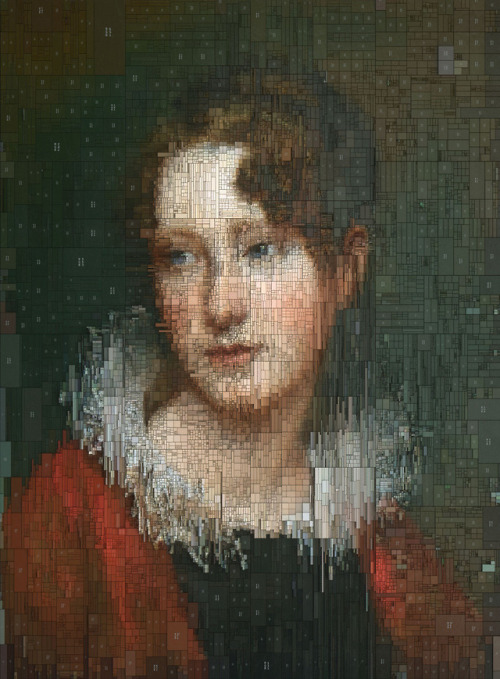
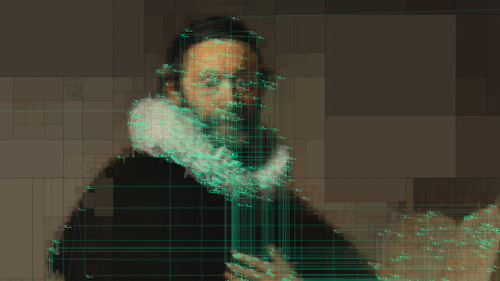
Portraits made using an information visualization method called treemapping and a self-created algorithm. Kudos Dimitris!

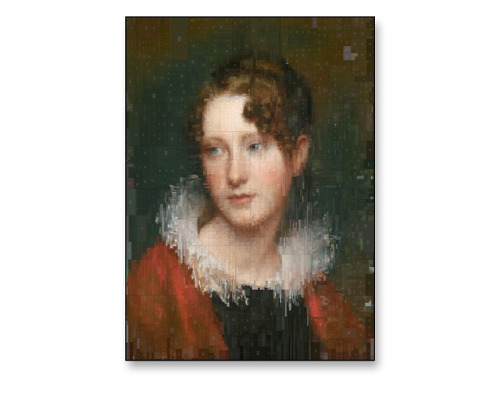
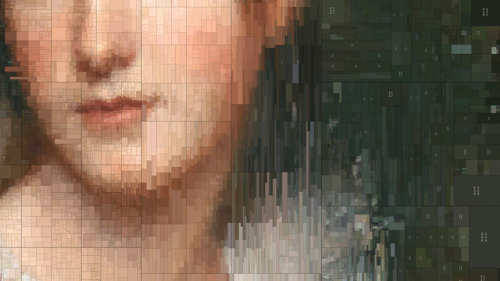
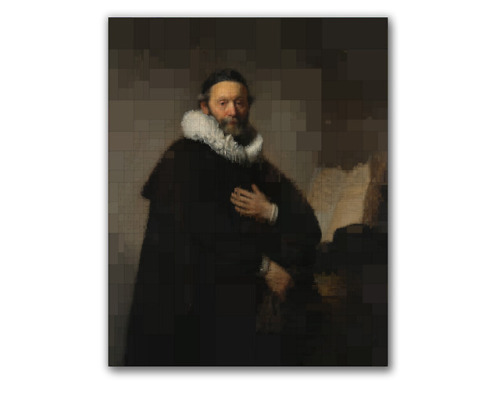
I have always been inspired by both the arts and technology, so I wanted to experiment and create a contemporary view of old masters’ paintings. Inspired by information visualization method called ‘treemapping’, I created an algorithm in Houdini that would do the subdivisions. The algorithm takes the original image, calculates the density of information and then subdivides it, based on a few user-controllable parameters.

The result is a mosaic of rectangles that highlight the subtle changes in the color palette of the original. The more information there is the on the original, the more it is subdivided and thus the smaller the rectangle elements. The less information, the larger the rectangle area. You could say there is a similarity to the painters’ approach of using broader and finer strokes.

Check us out on Instagram!


from Tumblr http://ift.tt/2GaQWmL
via IFTTT

Comments

Popular posts from this blog

Artist Shows That Putting Googly Eyes on Inanimate Objects Never Gets Old

Ah yes, eyebombing, the street art equivalent of drawing a funny mustache on Mona Lisa. So ubiquitous it’s impossible to credit anyone for inventing it… and yet for some reason it never quite stops being hilarious? Or maybe it’s just me. Probably just me. Vanyu Krastev of Eyebombing Bulgaria helps keep it alive. (via Tastefully Offensive , Quipsologies ) Update: Did you know there’s a Googly Eyes Foundation ? Supposedly they will even send you free googly eyes . Powered by WPeMatico The post Artist Shows That Putting Googly Eyes on Inanimate Objects Never Gets Old appeared first on onArt magazine . from onartmag http://ift.tt/2rgaEHL via IFTTT

Queer Game Studies – an Alternative Lens for Reading Videogames

“Queer Games Studies” is a recent collection of thematic essays published by the University of Minnesota Press that schematizes LGBTQ approachs to thinking about – and making – videogames. Powered by WPeMatico The post Queer Game Studies – an Alternative Lens for Reading Videogames appeared first on onArt magazine . from onartmag http://ift.tt/2s1LTR5 via IFTTT